“We don’t know her name.” The line lingered—less as a critique than a kind of unfinished introduction.
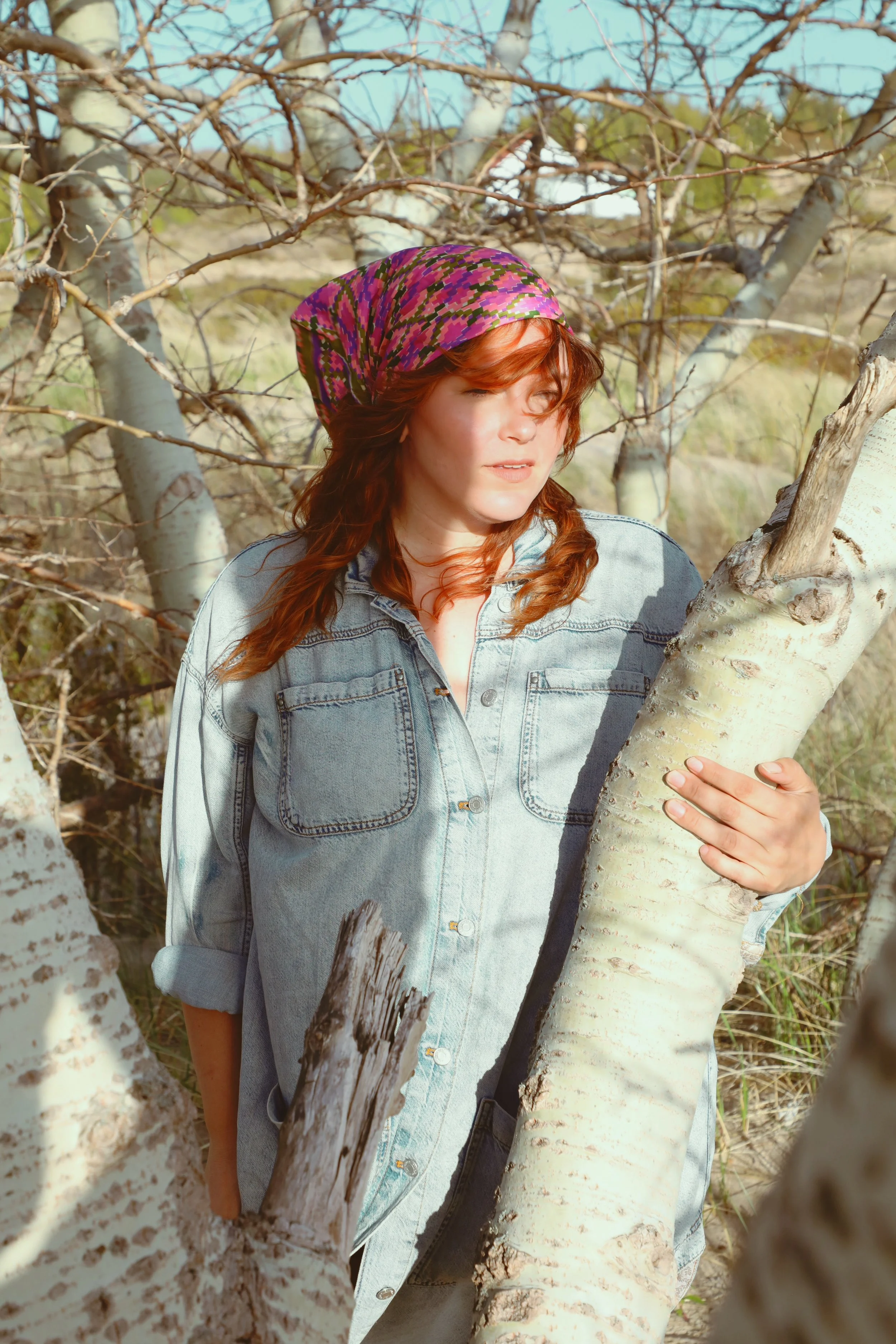
Jules Klee is an Americana singer-songwriter, with a voice that knows when to soothe and when to bruise. Her voice can quiet a dive bar—and then carry it. Her songwriting is rooted in plainspoken emotional clarity: songs told without flinching,
“Jules Klee has a Chicago career of her own but shares a huge voice for harmony,” wrote No Depression. “She’s got pipes that rival Neko Case and Kelly Hogan,” added Time Out Chicago, “We don’t know her name.” The line lingered—less as a critique than a kind of unfinished introduction.
Her early work began quietly, through Chicago’s songwriter circles, earning a reputation for an arresting vocal presence that could shift a room without asking permission. “There’s a power and realness in her songs that’s hard to come by,” as stated by Colin Gilmore, fellow songwriter & friend whom Klee has recorded with, and joined on tour.
After performing at Lollapalooza in 2007 alongside acclaimed songwriter Joe Pug, attention began to widen. Her music has appeared in film and Ubisoft’s Watch Dogs, quietly reaching an international audience far beyond the rooms where it first took shape. Then, just as momentum was beginning to build outward, everything stopped. Following the sudden death of her manager and years of debilitating undiagnosed Lyme disease, Klee stepped away from songwriting for nearly a decade.
Now she returns with Roses on My Table, a record shaped by distance, grief, and a sharpened sense of observation. The songs trace the strange physics of intimacy and unraveling, where humor and devastation often occupy the same breath:
“We had potential, just like heavy metal, think anvil falling top of Wile E Coyote. We had momentum, it was sentimental, kaleidoscoping you and me.”
“When things were on the level, you came home disheveled, bat out of hell in you mouth wagging your tail at me.”
Across the album, Klee writes with restraint and precision. Addiction, illusion, devotion, collapse—nothing is abstracted, but nothing is flattened either.
There is something quietly disarming about her work. It doesn’t reach for attention. It just stays.